P1 Souvenir
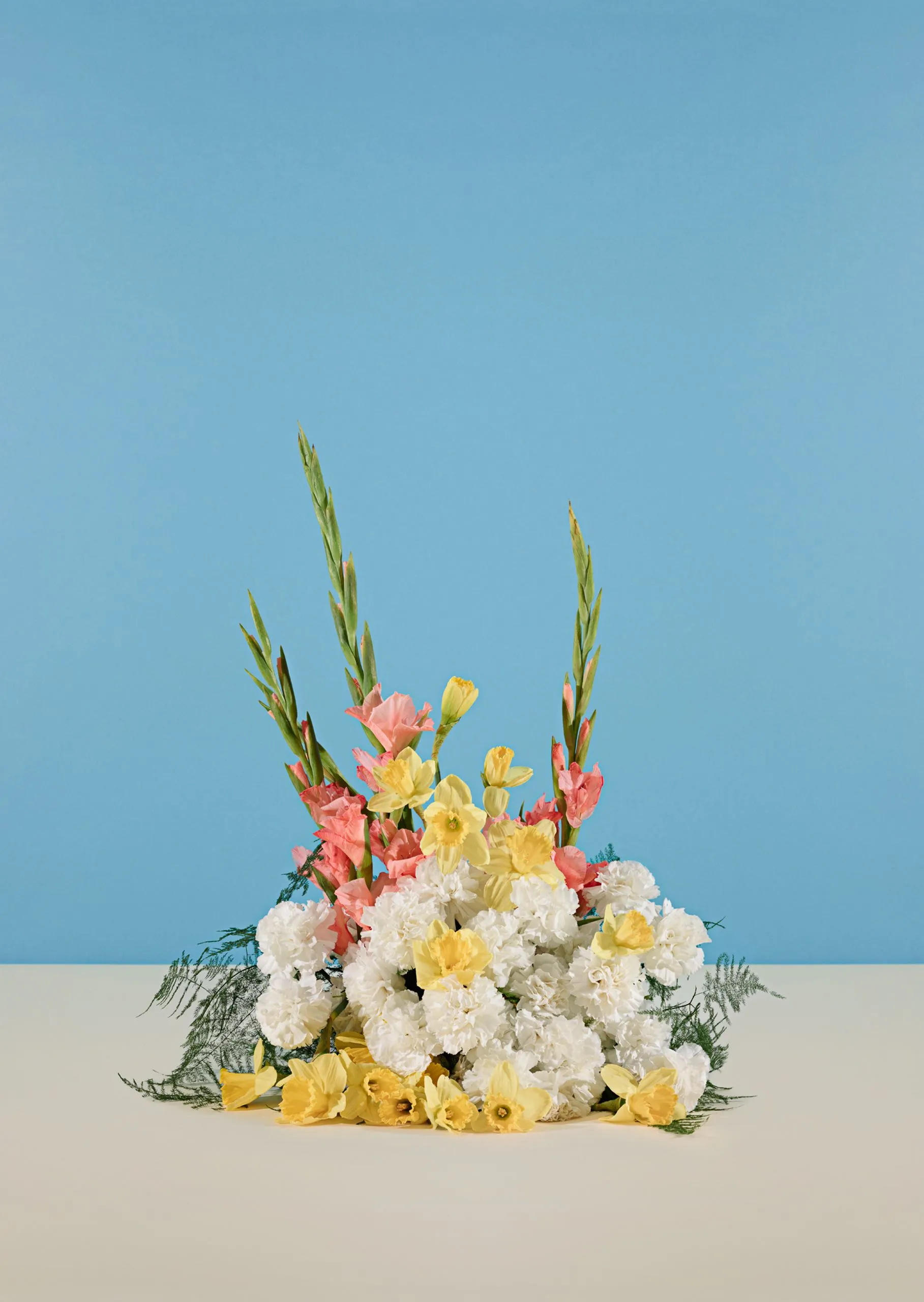
Paperwork and the Will of Capital by Taryn Simon
Gift giving is a facet of all cultures, with every culture having their own customs and rituals structured around the act. This includes Omiyage in Japan – in which visitors will bring their hosts gifts from their home country as well as souvenirs back to their families; Housewarming gifts in the United States – where guests will bring new homeowners gifts to furnish their houses; Koha in the Māori tradition – where gifts are given by visitors to a host often bringing food and at times taonga (treasured possessions); as well as more corporate and new traditions such as gift giving for Pepero Day and Pocky Day.

Pepero Day
Anthropologists have argued that "gift giving" is a cornerstone of kinship networks, and a pivotal element in shaping power dynamics, along with the perceptions of social relationships and norms (both positive and negative). The cultural difference in gift giving are profound and nuanced. One example can be found when European colonizers encountered the Maori, highlighting a significant gap in understanding reciprocal exchange practices:
“In eighteenth-century New Zealand, English settlers soon learned that it was not a good idea to admire, say, a particularly beautiful jade pendant worn around the neck of a Maori warrior; the latter would inevitably insist on giving it, not take no for an answer, and then, after a discreet interval, return to praise the settler’s coat or gun. The only way to head this off was to quickly give him a gift before he could ask for one. Sometimes gifts are offered in order for the giver to be able to make such a demand: if one accepts the present, one is tacitly agreeing to allow the giver to claim whatever he deems equivalent.”
Debt, David Graeber
Against this backdrop, service design, focusing on orchestrating work processes for effective exchange, is closely linked to the tradition of gift giving. The custom (the root of 'customer') of gift exchange practices could then be viewed in some cultures as foundational in service design.
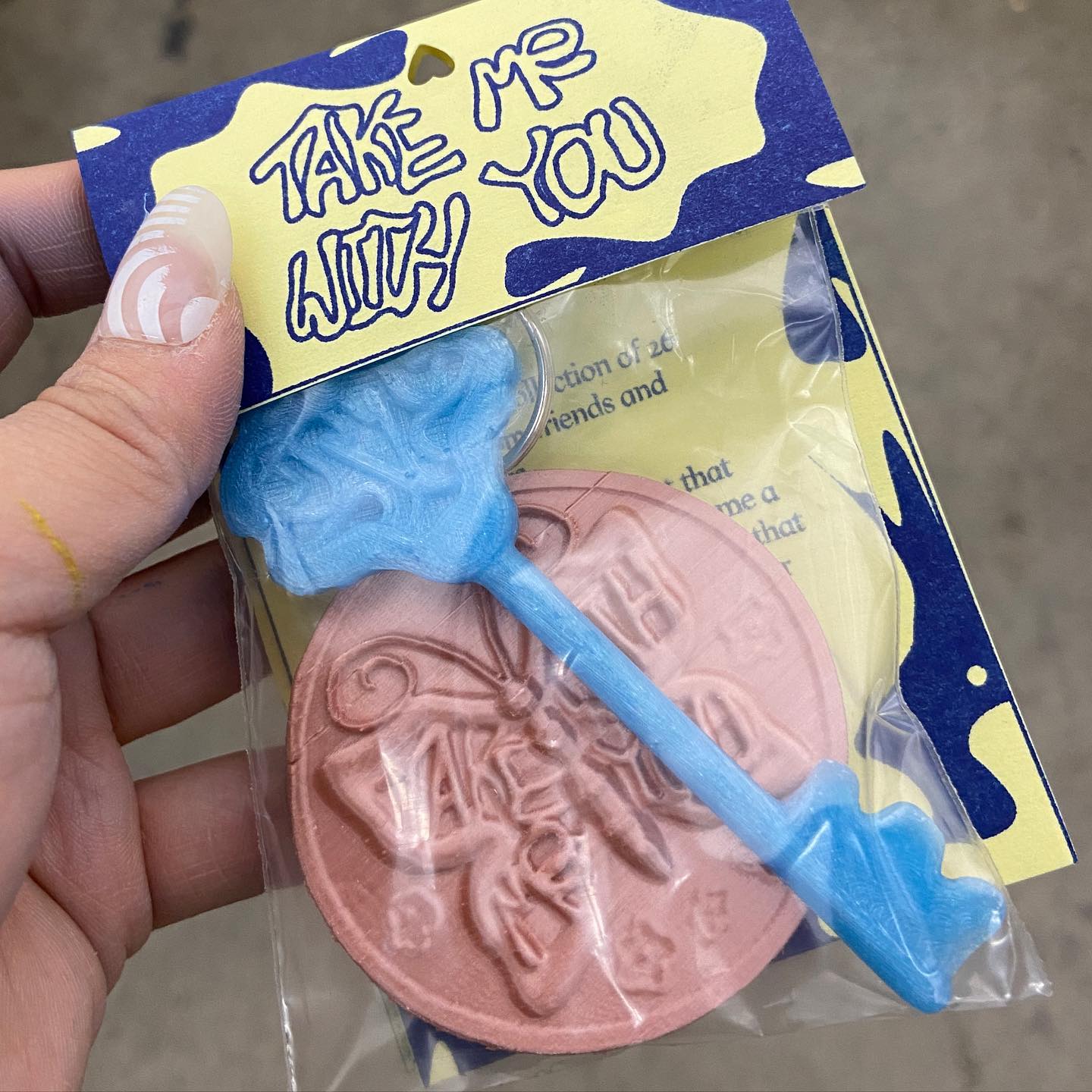
Take Me With You by Taehee Whang
In this assignment we’ll consider how the ethos of gift giving can be incorporated into a design practice, and create a souvenir object with the goal of giving “access” to Jeju Island. This object should be motivated by your own desire to share and learn about the island. This doesn’t mean that the thing you are sharing needs to be “exclusive”, or that you need to be an expert in the topic, but it should consider your status, your audience, and the barriers for access around the topic — in particular those which we may not typically consider. For instance:
- What are the economic barriers to entry to experience the thing you’d like to share?
- The physical and physiological barriers to engage?
- What are your special insights that can help grant access?
- How does your personal background motivate and complicate the topic you're interested in?
To address these barriers, you could approach the project in a number of ways:
- You could be redesign something that already exists to be more inclusive – for instance, adjusting the colors in a website to accommodate those with low-sightedness. Or along the same lines color-coding an object based on function for easier use.
- Collect existing knowledge and repackaging it to form connections that may be hard to see otherwise.
- Create something entirely new to help dissolve a barrier / inconvenience / inadequacy / disproportionality.
This project is framed under the premise of gift giving, and the creation of a memento, but it doesn't need to be sentimental. It's up to you how you want to approach the topic of accessibility and sharing, but it's important to the project keep in mind the pitfalls of overly solution focused design. Instead, focusing on the social, and relational potential of design practice.
Learning Outcomes
- Engage with accessibility in design
- Leverage your personal experience for a design outcome
- Experiment with design that is not solution-oriented
- Consider your audience and role as an author/designer in relation to your subject(s)
Requirements
- Graphic composition made from a personal memento
- A diagram describing the social and personal dynamics of your souvenir
- Three copies of your souvenir
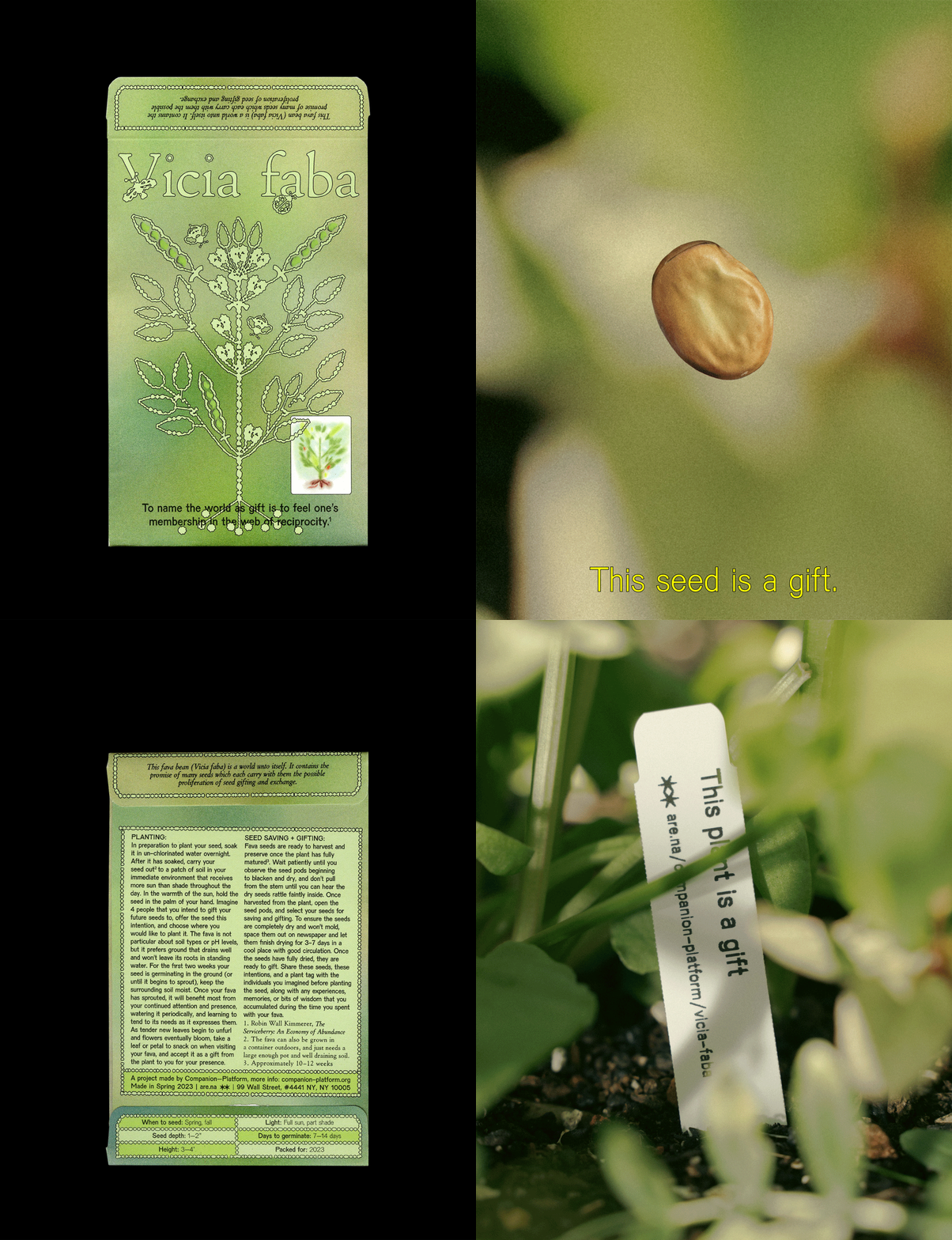
Vicia Faba - Seed Packet by Companion–Platform & Are.na
Project
Project Kickoff: Thurs March 7
Discuss project brief
Step 1: Due Thurs March 14
Bring in an object that acts as a souvenir / memento for you. Be prepared to share its “story”. We will produce a design work in response to the object during class
Step 2: Due Thurs March 21
Research Jeju Island, and consider places/activities/genres that you would like to make more accessible. Create a short doissier of your research and come up with 3 potential areas of interest for your souvenir. Bring in visual references, as well as a short description, of each potential direction to share with the class.
Try to incorporate your personal background into your project. For instance, if your family has a background in farming, what are the crops native to Jeju? Or if you have tinnitus, what are the soundscapes of Jeju? Think about how your personal background can provide you insight into a topic / place where you are an outsider.
Format your research as a short ~7 minute presentation to share with the class.
Step 3: Due Thurs March 28
Select a direction for your project, and create 3 concepts for the formal outcome of your souvenir.
Expand on your research, to provide background for your specific interests. Collect a mixture of text, photographs, and any other relevant media (video, sound, 3d files, data, etc.) that can inform your project.
Be prepared to share your ideas with Yo-E.
Step 4: Due Thurs April 4
Continue gathering feedback about your idea. Find two individuals (or groups) that have a connection to Jeju with whom to discuss your souvenirs. Conduct a short interview in order to gain insights about your ideas and their experience with Jeju.
Summarize your insights from the interview and make updated sketches of your souvenir based on your findings. Share your results with the class.
Step 5: Due Thurs April 11
Make a "Conceptual Model" explaining your proposed souvenir – both why you like it/them, and some of the key relationships within the “object and express it as a "Concept Map".
If your passion is rock-climbing, and you want to make a souvenir for Jeju's oreums, what is the underlying system of (tools, rituals, traits, and knowledge) embedded in your object?
If you are a fan of a music group from Jeju, what is the lineage of such a genre and the relationship between various musicians?
If you have a favorite destination in Jeju, what are its unique traits and ecologies?
Format your Concept Map as a landscape oriented A3 piece of paper
Step 6: Due Thurs April 25
Create a prototype of your souvenir. Make a mockup of the piece to scale in its most effective form. This could be a paper mockup, digital prototype, diagram, etc. Try and make a one-off as close to a final proposal as possible.
Step 7: Final Crit Thurs May 2
If we consider design as “the art and science of making mass produced goods” as a starting point, consider how do we translate our personal (and perhaps impractical) goods into something replicable? This can be through physical manufacturing, digital duplication, and/or a conceptual production. Refine your prototype into something that can be made at an industrial scale. Then bring in “3” copies of your souvenir, along with your diagram, to class to discuss.
Calendar
Week 1 - Mar 7
Project kickoff

Week 2 - Mar 14
Mementos
Step 1 Due

Week 3 - Mar 21
Concepts
Step 2 Due

Week 4 - Mar 28
Refined Concept review with Yo-E
Step 3 Due

Week 5 - Apr 4
Interview
Step 4 Due

Week 6 - Apr 11
Blueprint
Step 5 Due

Week 7 - Apr 18
1:1 Zoom or Async Meetings / No Class

Week 9 -  Apr 25
Prototype
Step 4 Due

Week 10 -  May 2
Step 6 Due / Final Crit
Reading
- Toward Relational Design by Andrew Blauvelt
- What Design Can't Do by Silvio Lorusso
- Cameron Tonkinwise Transition Design hosted by Permaculture Visions
- Dark tourism: Shining a light on tragic histories by Nicole Erwin
- Improving Awareness on High Costs of Jeju Tourism by Jeju Weekly
- Haenyeo: The truth behind the tourism: A look into Jeju diving women’s not-so-romantic livelihoods by Anne Hilty
- Treasuring the ‘Treasure Island of Korea’: A Cautionary Tale of Chinese Real Estate Development in Jeju Island by Hyun-Soo Lim
- Unlearning Space: Oozing: Islands in Islands
References
- Distributed Web of Care, by Taeyoon Choi
- Resources by The Rodina
- Mass Makeup: Freckles by The Rodina
- special.fish by Elliot Cost
- Dandelion Clock by Shaheer Tarar
- Vicia Faba - Seed Packet by Companion–Platform & Are.na
- Take me With You by Taehee Whang
- Dance Shoes (for Father and Daughter) by COMPANY
- With and without a firm grasp — a Ramadan calendar by Inga with Shiraz Abdullahi Gallab
- Lucky Charms and Comfort Objects by Jiwon Suh